The Core of the Project
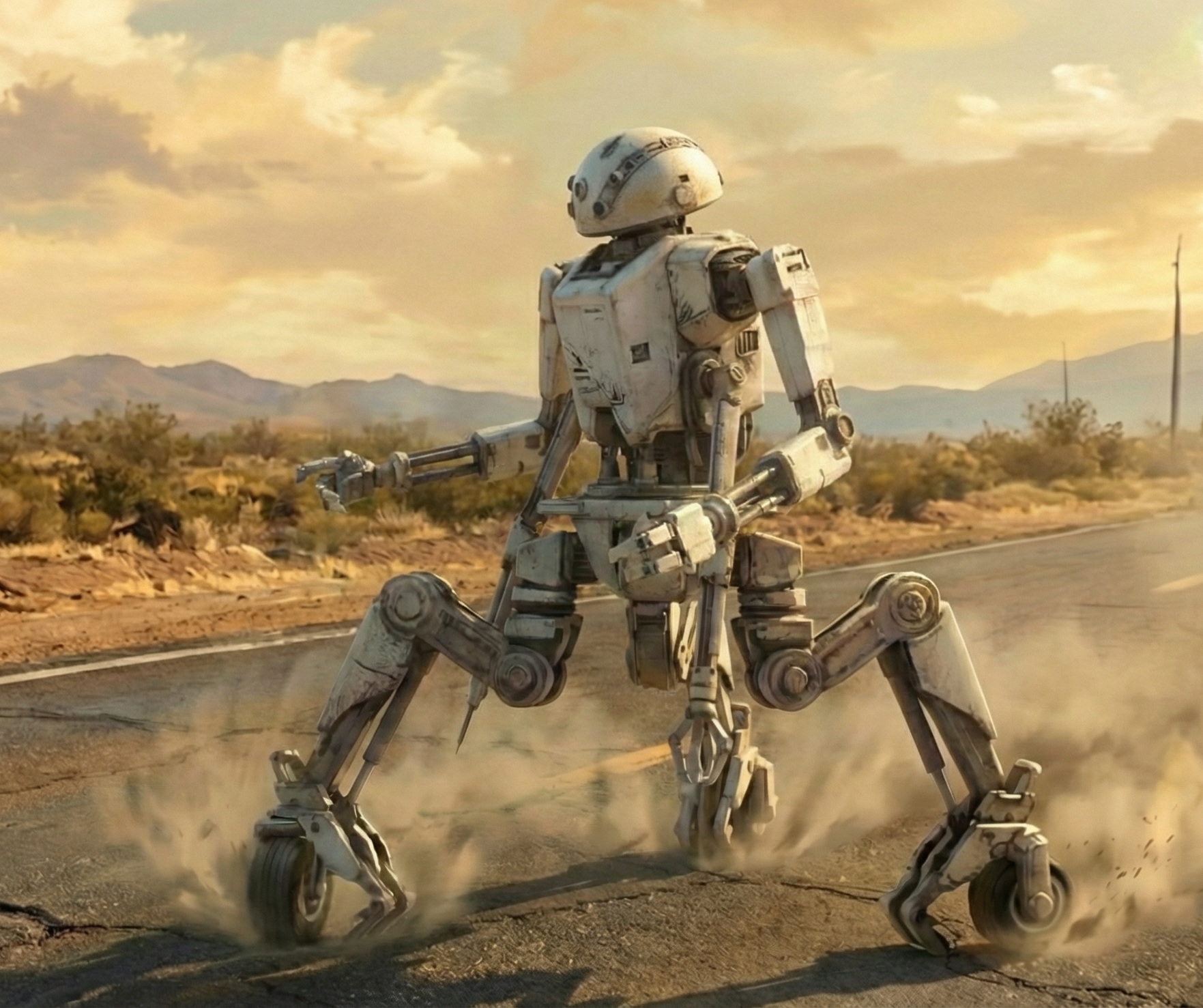
The future is often described through post-human scenarios, conflicts between humans and machines, and the fear that technology will one day surpass humanity. But it is also possible to look at the future from a different place. Here, the future is not the continuation of the order built by humans; it is nature rising again from its own ground.
Life is not defined only by breathing, moving, or biological limits. To exist means something deeper. Nature brings forward the knowledge that humans have ignored, misunderstood, or failed to name for so long. In this way, the meaning of life moves beyond a narrow human-centered view and connects to a truth that is wider, stronger, and far older.
The nature we live in still carries countless secrets we do not know. While humans often think they are the owners of knowledge, they have only touched a very small part of it. As time passes, what remains in the dark will become clearer, and the value people give to knowledge will also change. Because knowledge will no longer be measured only by the teachings accepted by the majority.
Humanity will learn, again and again through painful experience, that the majority is not always where the truth is found. Ideas approved by crowds are not the truth itself. Sometimes destruction begins when everyone believes in the same mistake. Real knowledge is hidden in the laws of nature, in the silent order of existence, and in the deep connections that humanity has not yet understood.
The future can be seen not as the victory of machines or the end of humanity, but as the rise of nature’s forgotten knowledge. When the relationship between humans, machines, and nature moves beyond familiar patterns, the questions of what life really is, who defines knowledge, and what humanity’s place in the universe truly means become important once again.
Information about the adventure:
How Did the Names of Digital Beings Rise from the Ashes of Ancient Languages?